Designing a Contemporary New Zealand Home
The strongest homes begin with more than a floor plan. They respond to site, light, landscape and the rhythms of everyday life.
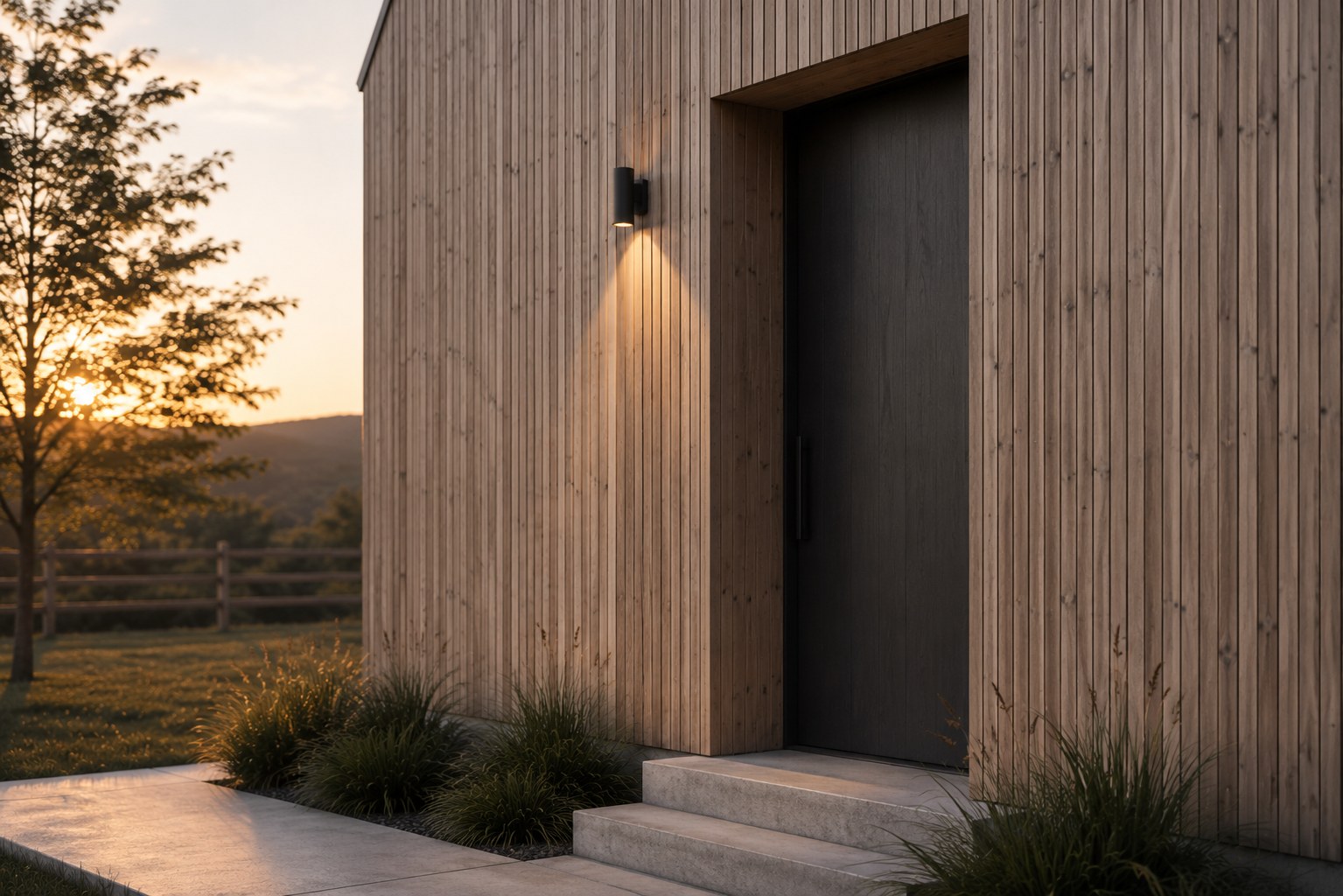
Start with the site
A considered home should feel specific to its place. Orientation, prevailing weather, views, privacy, access and the character of the landscape all influence the plan before rooms are arranged. Working with these conditions early can create a home that feels settled rather than imposed.
Plan around daily life
Good residential design is not about adding complexity. It is about understanding how a household actually moves through a day: where people arrive, where bags and boots land, how the kitchen connects to outdoor living, where quieter spaces sit, and how the house changes between a busy morning and a slow weekend.
Use restraint to create character
A limited palette of well-chosen materials, clear proportions and carefully resolved junctions can give a home far more presence than layers of decoration. Character can come from form, depth, shadow, texture and the relationship between solid walls and openings.
Design for longevity
A home should still make sense as circumstances change. Flexible rooms, useful storage, durable materials and an efficient relationship between spaces can help a house accommodate different stages of family life without losing the clarity of the original design.
Architecture and landscape together
The building should not stop at the exterior wall. Courtyards, sheltered thresholds, framed views and planting can extend the experience of the home into the site. When architecture and landscape are considered together, both become stronger.